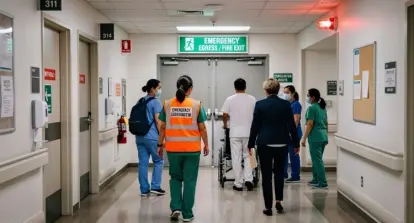
Improving Emergency Response in Hospitals with the Right System
Hospitals face emergencies every day. These can range from patient crises to system failures or unexpected events. In these situations, quick and organized responses are critical.
However, many hospitals still rely on manual processes, which can lead to confusion and delays.
This is where an incident and emergency management solution becomes essential.
The Challenge in Emergency Situations
Without a proper system, hospitals may experience:
- Delayed communication between teams
- Lack of coordination during emergencies
- Unclear roles and responsibilities
- Slow response times
These issues can increase risks and make situations harder to control.
How the Solution Helps
An incident and emergency management system provides a centralized platform to manage all situations.
It allows hospitals to:
- Report incidents instantly
- Track events in real time
- Coordinate responses across departments
- Maintain clear communication
This creates a more structured and efficient response process.
Key Benefits
With the right solution, hospitals can:
- Respond faster to emergencies
- Improve communication across teams
- Reduce confusion during critical moments
It also helps create a safer environment for both patients and staff.
Automation and Real-Time Alerts
Automation plays an important role in emergency management.
The system can:
- Send instant alerts to staff
- Assign tasks automatically
- Escalate urgent situations
This ensures that no important step is missed.
Conclusion
Emergency situations require speed, clarity, and coordination.
An incident and emergency management solution helps hospitals:
- Stay prepared
- Respond quickly
- Reduce risks
In the end, it improves safety and overall healthcare operations.