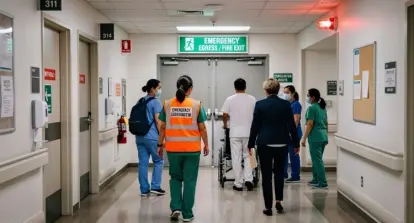
Strengthening Emergency Response with Smarter Staff Coordination
In healthcare, staffing is critical every day—but it becomes even more important during emergencies. Unexpected events such as patient surges, system outages, severe weather or critical incidents can place immediate pressure on hospital operations. During these moments, healthcare organizations need to respond quickly with the right people in the right roles.
However, managing staff during emergencies is often challenging. Manual phone, last-minute scheduling, and unclear responsibilities can slow response times and create confusion when speed matters most.
This is where a Staff Coordination (Dual-Role = Incident-Driven) solution becomes valuable.
By helping hospitals activate on-call staff, reassign roles quickly, and communicate in real time, organizations can respond faster and maintain continuity of care.
Why Emergency Staff Coordination Matters
During routine operations, staffing schedules may already be full. When an emergency happens, hospitals may suddenly need more support in key departments.
Without a clear coordination process, organizations may face:
- Delays reaching available staff
- Short-staffed departments
- Confusion about responsibilities
- Increased pressure on current teams
- Slower response during critical situations
A strong coordination system helps reduce these risks.
Activate On-Call Staff Quickly
One of the most important needs during an emergency is reaching available staff immediately.
A staff coordination solution allows hospitals to activate on-call employees through automated communication instead of relying on manual outreach.
This can include:
- SMS alerts
- Email notifications
- Phone call notifications
- Shift acceptance responses
This speeds up staffing decisions and helps managers secure coverage faster.
Reassign Roles During Emergencies
Emergencies often require teams to adjust responsibilities quickly. Staff may need to move from regular duties into urgent support roles based on the situation.
A coordination system helps leaders reassign roles in a structured way.
Examples include:
- Moving staff to high-demand departments
- Assigning temporary emergency coverage
- Adjusting responsibilities during incidents
- Supporting patient surge areas
This creates flexibility while keeping operations organized.
Automated Call-Ins Save Valuable Time
Calling staff one by one can waste critical minutes during an emergency.
Automated call-in features help by contacting multiple qualified team members at once. Managers can quickly identify who is available and confirm staffing needs.
Benefits include:
- Faster response times
- Reduced manual workload
- Better visibility into availability
- More efficient staffing decisions
This allows leaders to focus on the emergency itself.
Notifications for Emergency Shifts
Clear communication is essential when schedules change quickly.
Automatic notifications can inform staff about:
- Emergency shift assignments
- Updated start times
- Department changes
- Urgent staffing needs
This ensures employees receive accurate information in real time.
Improve Operational Resilience
Hospitals need systems that support both daily operations and crisis situations.
A staff coordination solution helps organizations:
- Stay prepared for unexpected events
- Maintain service levels during emergencies
- Reduce stress on management teams
- Improve workforce responsiveness
This creates a stronger and more resilient healthcare environment.
Benefits for Healthcare Organizations
With the right solution, hospitals can:
- Activate on-call staff faster
- Reassign roles efficiently
- Improve emergency communication
- Reduce staffing delays
- Maintain patient care during disruptions
Conclusion
Emergencies require fast decisions, flexible staffing, and clear communication.
A Staff Coordination (Dual-Role = Incident-Driven) solution helps healthcare organizations respond with confidence by activating on-call staff, managing role changes, and notifying teams instantly.
With automated call-ins, reassignment workflows, and emergency shift notifications, hospitals can stay ready for critical situations while continuing to provide safe, reliable care.